
Tips and routines
How to Use Retinol Correctly: A Step-by-Step Guide with the Retinoid Ladder
Jun
Retinol is the anti-ageing active with the most scientific evidence: but using it wrongly can backfire
Few ingredients in dermocosmetics generate as much excitement —and as much confusion— as retinol. It’s talked about as the anti-ageing molecule par excellence, and science backs up that claim: decades of research have shown its ability to stimulate cell renewal, boost collagen production and improve skin texture and tone (Mukherjee et al., 2006).
And if you’re thinking of moving up to the next level of strength, you’ll want to know the differences between retinal and retinol so you know when it’s time to switch.
However, retinol has two sides. Used incorrectly —at the wrong concentrations, too often or without the necessary preparation— it can cause dryness, flaking, redness and severe irritation, a phenomenon known as retinoid dermatitis. This leads many people to give up on the active before it can show its benefits, missing the chance to make the most of the most studied anti-ageing ingredient there is.
In this guide we’ll explain how to use retinol correctly, when to start, how to progress safely and what alternatives exist for those who need a gentler approach. Because the key to retinol isn’t the molecule itself, but knowing how to introduce it into your routine without compromising the health of your skin barrier.
What retinol is and how it really works on your skin
Retinol is a form of vitamin A which, once applied to the skin, is enzymatically converted into retinoic acid (tretinoin), the active form that interacts with the nuclear receptors of keratinocytes and fibroblasts. This conversion process happens in two steps: retinol → retinaldehyde → retinoic acid.
How retinol works on the skin
The resulting retinoic acid acts on the skin through several molecular pathways:
- Stimulating cell renewal: it speeds up the turnover of epidermal cells, encouraging the removal of damaged cells and the appearance of new cells with better structure and function.
- Collagen production: it activates the transcription of genes encoding type I and III collagen in the dermis, increasing the density and quality of the extracellular matrix.
- Normalising keratinisation: it regulates keratinocyte differentiation, improving surface texture and reducing follicular blockage.
- Inhibiting metalloproteinases: it reduces the activity of the enzymes (MMPs) responsible for breaking down collagen, protecting the existing dermal architecture.
A meta-analysis published in Postepy Dermatologii i Alergologii confirmed that topical retinoids produce clinically significant improvements in fine lines, hyperpigmentation and skin texture, with an appropriate safety profile when used correctly (Zasada & Budzisz, 2019).
European regulation of facial retinol
It’s important to know the regulatory framework: the European Union has set a maximum concentration of 0.3% retinol for facial products sold over the counter (not on prescription). This regulation aims to balance the effectiveness of the active with consumer safety, especially given that it is used without professional supervision. Products that comply with these rules offer active concentrations within a proven safety range.
🔬 SCIENTIFIC FACT: Retinoids are the active with the highest level of evidence in dermatology for treating photoageing. Their effectiveness has been demonstrated over more than 50 years of research (Mukherjee et al., 2006).
The retinoid ladder: from beginner to advanced
The concept of the retinoid ladder is the key to adding this active without suffering the side effects that make so many people give it up. The idea is simple: start with the gentlest form and progress gradually according to your skin’s tolerance.
| Level | Retinoid | Strength | Who it’s for | Tolerance |
|---|---|---|---|---|
| 1 — Starting out | Bakuchiol | Natural analogue | Sensitive or reactive skin, pregnancy | Excellent |
| 2 — Transition | Retinol SOFT (0.11%) | Low-medium | Retinol beginners, normal skin | Good |
| 3 — Intermediate | Pure retinol (0.3%) | Medium-high | Skin used to retinol | Moderate |
| 4 — Advanced | Retinal (retinaldehyde) | High | Experienced users | Requires adaptation |
Level 1: Bakuchiol — The natural alternative for sensitive skin
Bakuchiol: a plant-derived meroterpene (extracted from Psoralea Corylifolia) that produces effects similar to retinol —stimulation of type I, III and IV collagen, reduction of fine lines and hyperpigmentation— without the irritation associated with retinoids. Comparative in vivo studies show similar effectiveness to retinol in reducing wrinkle surface area.
Bakuchiol is the ideal entry point on the retinoid ladder. Its mechanism of action is different from retinol’s —it isn’t converted into retinoic acid— but the clinical results are comparable in parameters such as reducing fine lines and improving pigmentation. The crucial difference is that it doesn’t cause retinoid dermatitis: no dryness, flaking or photosensitivity.
This makes it the most suitable option for sensitive skin, skin with rosacea or inflammatory conditions, and for people looking for a gradual introduction to the world of retinoids. To dig deeper into the evidence comparing the two actives, you can read our complete guide to bakuchiol vs retinol.
Level 2: Retinol SOFT — Your introduction to real retinol
0.11% microencapsulated pure retinol: microencapsulation allows gradual release of the retinol, reducing initial irritation while maintaining effectiveness. The 0.11% concentration is designed as a bridge between bakuchiol and higher retinol concentrations.
Retinol SOFT is the transition between the gentleness of bakuchiol and the strength of retinol at standard concentrations. Microencapsulation technology is key: the retinol is released gradually as you rub the product into your skin, keeping the active protected from oxidation until the exact moment of application. This means the molecule reaches the epidermis fresh and active, without degrading in the packaging as happens with many conventional retinol formulas.
It’s the recommended option for retinol beginners who have already tolerated bakuchiol and want to take the next step, or for people who have experienced irritation with higher concentrations and need a more gradual approach.
Level 3: Microencapsulated pure retinol — The benchmark for effectiveness
For skin that has already built up tolerance to retinol, the natural progression is to increase the concentration within the European limit of 0.3%. Microencapsulated pure retinol at this concentration offers the optimum balance between significant anti-ageing results and regulatory compliance.
Studies with encapsulated retinol show that skin becomes firmer, fine lines and wrinkles are reduced, and skin looks younger, brighter and more radiant. The key lies in the accompanying formula: ingredients such as ceramides, hyaluronic acid and botanical extracts restore the hydration that retinol can compromise during the adaptation period.
Level 4: Retinal (retinaldehyde) — The advanced step
Retinal (retinaldehyde): it is just one enzymatic step away from retinoic acid (the final active), which makes it more potent than retinol (which requires two conversions). Liposomal to improve penetration and reduce irritation. Not suitable for sensitive skin.
Retinal (retinaldehyde) sits one rung above retinol in the conversion chain: it only needs one enzymatic conversion to turn into retinoic acid, compared with the two retinol needs. This translates into greater strength and speed of action, but also greater potential for irritation.
Liposomal technology encapsulates the retinal in lipid vesicles that help it penetrate the epidermis and modulate its release, softening the initial impact. Even so, this level is reserved for experienced users who have already tolerated retinol for at least 3-6 months without significant problems.
👉 TIP: Always apply retinol at night and use SPF50 sunscreen the next day. Skin treated with retinol is more vulnerable to UV radiation.
How to use retinol step by step: the adaptation protocol
The difference between someone who gets spectacular results with retinol and someone who gives up after two weeks because of irritation almost always lies in how it’s introduced. Here’s the step-by-step guide to how to use retinol without compromising your skin barrier.
Weeks 1-2: getting used to it
Apply retinol once every three nights. This frequency lets your skin begin adapting without overwhelming its tolerance mechanisms. Look out for any signs of redness, dryness or flaking the next day.
- Cleanse your face with a gentle cleanser.
- Wait until your skin is completely dry (2-3 minutes). Applying retinol to damp skin increases penetration and the risk of irritation.
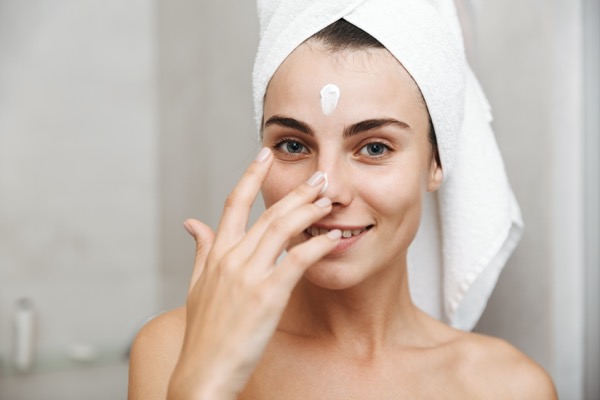
- Apply a pea-sized amount of the retinol cream over your whole face, avoiding the eye contour and the corners of your mouth.
- Wait 5 minutes and apply your usual moisturiser.
Weeks 3-4: stepping up
If you haven’t experienced significant irritation, increase to once every two nights. If you’ve noticed some dryness or slight flaking, that’s normal and part of the adaptation process —technically called retinisation—. Only stop if the irritation is intense, with burning or persistent redness.
Weeks 5-8: consolidating
Move up to applying it on alternate nights. By this point, most skin has completed the retinisation process and tolerates the active well. The first visible results usually appear during this period: improved radiance, a more even tone and smoother-feeling skin.
From week 9: regular use
If your skin tolerates it, you can move on to daily night-time use. However, many people get excellent results applying it on alternate nights long term, especially if they combine retinol with other night-time actives such as AHAs. You don’t need to use retinol every night to get significant benefits.
⚠️ COMMON MISTAKE: Starting with high retinol concentrations without an adaptation period. This can cause excessive retinisation: dryness, flaking and irritation. Start with low concentrations and increase gradually.
The sandwich method: the technique for retinol-reactive skin
If you count yourself among the retinol beginners with particularly reactive skin, the sandwich method can help you get through the first few weeks without giving up on the active.
How the sandwich method works
- Apply a thin layer of moisturiser to clean, dry skin.
- Wait 5 minutes for it to absorb.
- Apply the retinol over the layer of moisturiser.
- Wait another 5 minutes.
- Seal with another layer of moisturiser.
This technique creates a barrier that modulates retinol penetration, significantly reducing irritation without removing the active’s effectiveness. As your skin adapts, you can gradually drop layers of the sandwich until you’re applying retinol directly to clean skin.
When to use retinol: time of day, frequency and season
Always at night
Retinol should be applied only in your night-time routine. There are two key reasons: first, retinol is photounstable and breaks down when exposed to UV light, losing effectiveness. Second, night is when the skin’s repair activity is at its highest, when cell renewal processes peak, optimising the retinoid’s action.
To organise your night-time facial routine correctly, retinol should be applied after cleansing and before moisturiser, unless you’re using the sandwich method described above.
Sunscreen is a must the next day
Retinol speeds up cell renewal, which brings younger, more vulnerable cells to the surface. This makes skin more susceptible to UV damage. Using SPF50 sunscreen every morning isn’t optional when you’re using retinol: it’s an integral part of the treatment.
Do you need to take a break from retinol in summer?
It’s a widespread myth that you have to stop retinol in summer. What is essential is to step up your sun protection. If you use SPF50 sunscreen consistently and avoid prolonged direct sun exposure, you can keep using retinol all year round. In fact, stopping and restarting retinol means repeating the retinisation process, with the irritation that comes with it.

Retinol and irritation: how to tell normal adaptation from an adverse reaction
One of the biggest fears around retinol is irritation. It’s important to be able to tell the difference between normal adaptation (retinisation) and an adverse reaction that requires you to stop treatment.
Normal signs of retinisation
- Mild dryness, especially on the thinnest areas of skin
- Fine, superficial flaking during the first 2-4 weeks
- Slight tightness after application
- Temporary redness that disappears within a few hours
Warning signs that mean you should stop using it
- Intense, persistent redness (more than 24 hours)
- Intense burning or stinging during application
- Vesicles, blisters or scabs appearing
- Significant inflammation or swelling
- Contact dermatitis: intense itching, skin rashes
If you experience any of the warning signs, stop using retinol immediately, apply only soothing and barrier-repairing products, and wait until your skin has fully recovered before starting again with a lower concentration and reduced frequency. If the symptoms persist, see a dermatologist.
Which actives to combine retinol with (and which not to)
Retinol’s effectiveness can be boosted or compromised depending on the actives you combine it with. Knowing these interactions is essential for an effective, safe routine.
Recommended combinations
| Active | When | Benefit of the combination |
|---|---|---|
| Hyaluronic acid | Same time (night) | Offsets the dryness retinol can cause |
| Ceramides | Same time (night) | Repairs and strengthens the skin barrier |
| Niacinamide | Same time (night) | Reduces irritation, strengthens the barrier |
| Vitamin C | Morning (retinol at night) | Daytime antioxidant + night-time retinol |
| SPF50 sunscreen | Morning (essential) | Protects the skin renewed by retinol |
Combinations to avoid (or space out)
- AHA/BHA in the same application: exfoliating acids and retinol compete for the same mechanisms and the combination can cause excessive irritation. Alternate nights: retinol one night, exfoliating acid the next.
- High-concentration vitamin C in the same application: although both actives are safe on their own, applying them at the same time can cause irritation in sensitive skin. The vitamin C in the morning / retinol at night strategy is ideal.
- Benzoyl peroxide: it deactivates retinol through oxidation. If you use both to treat acne, apply them at different times of day.
Retinoid products: options for each rung of the ladder
Based on the retinoid ladder, these are specific formulas for each level of experience, all formulated with a high proportion of active ingredients and minimal preservatives:

Bakuchiol 3% Night Cream — 50+ Sensitive Skin
3% bakuchiol + lactic acid. For sensitive skin looking for the anti-ageing benefits of retinoids without irritation. Level 1 of the ladder.

Retinol SOFT 0.11% Night Cream — 50+ Normal to Oily Skin
0.11% microencapsulated pure retinol + ceramides + botanical extracts. Level 2: the gentle transition to retinol for skin that has already tried bakuchiol.

Retinol Night Cream — 50+ Normal to Oily Skin
Microencapsulated pure retinol + hyaluronic acid + ceramides + peptides. Level 3 for skin that already tolerates active retinol concentrations.
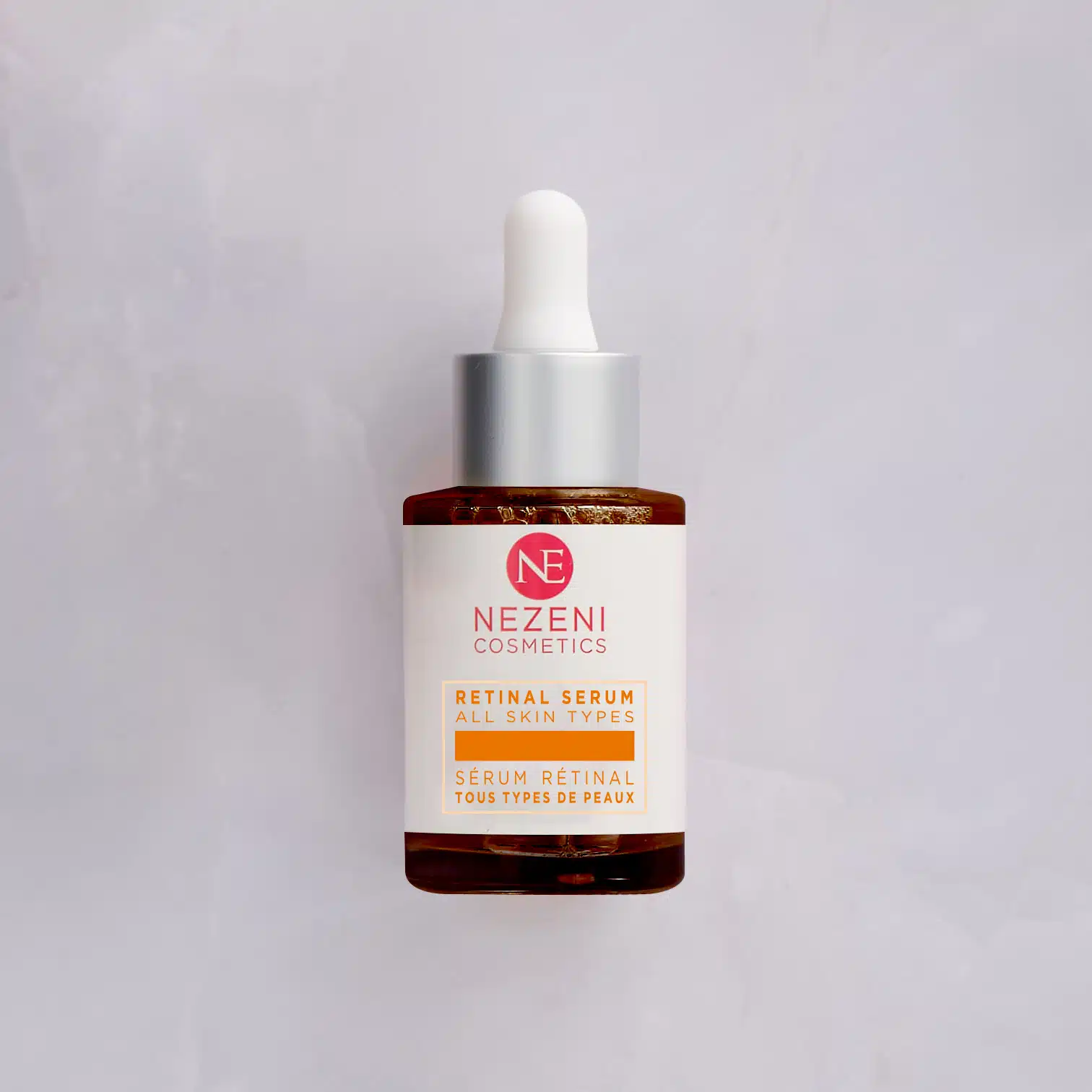
5% Liposomal Retinal Serum
5% liposomal retinaldehyde for advanced users looking for maximum retinoid strength. Not suitable for sensitive skin. Level 4 of the ladder.
Retinol in your night-time routine: the correct order of application
A night-time facial routine with retinol should follow an order that maximises absorption and minimises irritation:
- Double cleanse (cleansing oil + water-based cleanser) if you’ve worn make-up or sunscreen.
- Hydrating toner (optional, without exfoliating acids on retinol nights).
- Retinol serum or cream on completely dry skin.
- Eye contour cream (without retinol, unless it’s a formula specifically for this area).
- Moisturiser to seal in and repair the barrier.
And the next morning, your routine should include:
- Gentle cleansing
- Vitamin C serum (daytime antioxidant)
- Moisturiser
- SPF50 sunscreen (essential with retinol)
Retinol for each concern: wrinkles, dark spots, acne and texture
For wrinkles and loss of firmness
Retinol is especially effective against fine lines and loss of firmness because it acts at the root of the problem: the breakdown and insufficient production of collagen. Formulas with microencapsulated retinol combined with peptides and extracts that strengthen the dermal-epidermal junction offer a complete approach to sagging and wrinkles after 50.
For dark spots and hyperpigmentation
Retinol speeds up cell renewal, which helps shed surface layers with excess melanin. Combined with depigmenting actives such as morning vitamin C, niacinamide and alpha arbutin, it forms a powerful anti-dark-spot strategy. For a complete anti-dark-spot treatment, combining night-time retinol with daytime antioxidants is the approach with the strongest clinical backing.
For uneven texture and enlarged pores
The normalisation of keratinisation that retinol produces translates into a visible improvement in surface texture and an apparent reduction in pore size. This effect is enhanced when you alternate retinol with gentle chemical exfoliants on different nights, creating sustained cell renewal without cumulative irritation.
✔️ Recommended products
Frequently asked questions about how to use retinol
At what age should you start using retinol?
There’s no strict minimum age, but most dermatologists recommend introducing retinoids from the age of 25-30 as a preventive measure. This is when collagen production naturally starts to slow down, and retinol can put the brakes on that process. If you’re under 25 and want to start, bakuchiol is the most prudent option.
How long does retinol take to show visible results?
The first changes —improved radiance and surface texture— are usually noticeable after 4 to 6 weeks of continuous use. Effects on fine lines and firmness take between 12 and 24 weeks. Consistency and gradual progression matter more than the product’s concentration.
Can you use retinol during pregnancy?
No. Topical retinoids (retinol, retinal, tretinoin) are contraindicated during pregnancy and breastfeeding as a precaution. Bakuchiol is the safe alternative during this period, as it offers benefits similar to retinol with no teratogenic risk.
What should I do if my skin doesn’t tolerate retinol?
If you’ve followed the gradual adaptation protocol and your skin still reacts badly, you have several options: drop down to the SOFT concentration (0.11%), try the sandwich method, or switch to bakuchiol. Not every skin tolerates retinol, and an effective botanical alternative is better than forcing an active your skin rejects.
Does retinol thin the skin?
It’s a persistent myth. Retinol can temporarily reduce the thickness of the stratum corneum (the outermost layer of dead cells), but it increases the thickness of the living epidermis and the dermis by stimulating collagen production and cell renewal. In the long term, skin treated with retinol is thicker, denser and more resilient than untreated skin.
Can you use retinol in summer?
Yes, as long as you use SPF50 sunscreen daily and avoid prolonged direct sun exposure. Stopping retinol in summer means repeating the retinisation process when you start again, with the irritation that comes with it. Continuity is more beneficial than cycles of use and pause, always with proper sun protection.
References:
1. Mukherjee S, Date A, Patravale V, et al. Retinoids in the treatment of skin aging. Clin Interv Aging. 2006;1(4):327-348. PMID: 18046911.
2. Zasada M, Budzisz E. Retinoids: active molecules influencing skin structure formation in cosmetic and dermatological treatments. Postepy Dermatol Alergol. 2019;36(4):392-397. PMID: 31616211.
3. Dhaliwal S, et al. Prospective, randomized, double-blind assessment of topical bakuchiol and retinol for facial photoageing. Br J Dermatol. 2019;180(2):289-296. PMID: 29947134.
4. Kong R, et al. A comparative study of the effects of retinol and retinoic acid on histological, molecular, and clinical properties of human skin. J Cosmet Dermatol. 2016;15(1):49-57.
5. EU Regulation on maximum concentrations of retinol in facial cosmetics: 0.3% retinol, 0.05% retinal.
6. For any questions about the products mentioned: attcliente@nezeni.com
Updated March 2026